
Compensation conversations are happening more often, and they’re not getting any simpler.
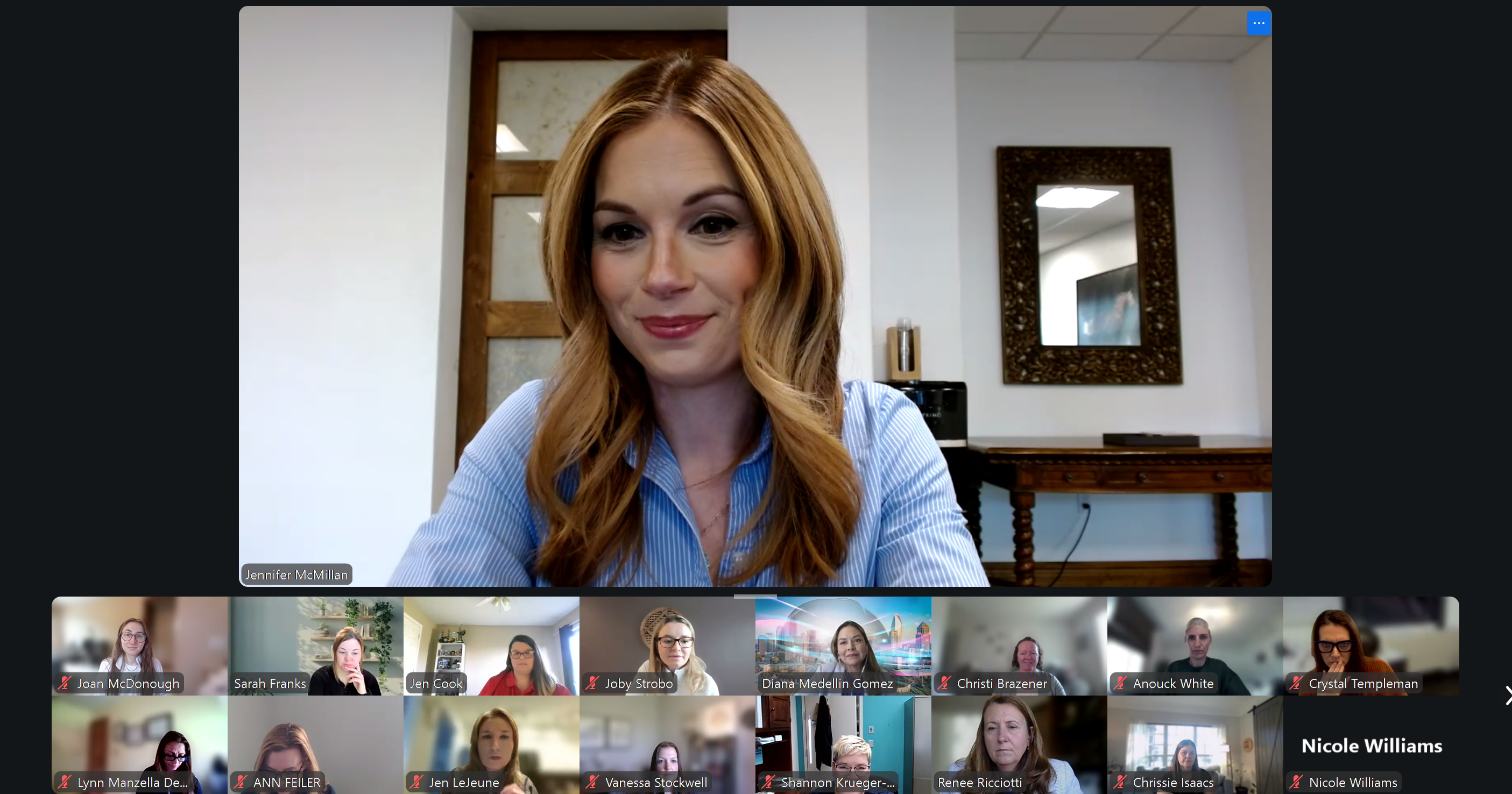
Between evolving state pay transparency laws, shifting market expectations, and employees wanting a clearer understanding of how decisions are made, organizations are being asked to approach compensation with a level of clarity and consistency that hasn’t always been required in the past. These are the topics we discussed with distributor members in our Q2 HR Forum.
The organizations navigating this well aren’t necessarily doing more; they’re getting clearer on how decisions are made and how those decisions are communicated.
That clarity starts with structure.
One of the most common challenges we see is organizations managing compensation on a case-by-case basis. While that approach can feel flexible, and easier to solve in the moment, it often leads to inconsistency over time. Without a clear framework, even well-intended decisions can create confusion or perceived inequities.
Building a fair pay structure doesn’t have to be overly complex, but it does require intention. Establishing salary ranges tied to clearly defined roles and responsibilities creates a foundation leaders can consistently rely on. When role scope is well understood — what the role is accountable for, how it contributes, and where it sits relative to others — it becomes much easier to align compensation decisions in a way that feels fair and consistent.
That same structure does more than support current employees, it simplifies future decisions. Hiring becomes more straightforward when a defined range and clear expectations are set for the role. Compensation adjustments feel less subjective when they can be tied back to scope, performance, and market positioning. Leaders don’t have to “figure it out” in the moment, they can lean into the parameters already in place to guide the conversation.
Without that foundation, it becomes much easier to fall into a reactive approach.
It’s natural to feel pressure to respond quickly to market shifts or individual compensation requests, but strong compensation strategies are grounded in structure, not reaction. Being market-aligned means understanding where your organization chooses to position itself, whether that’s leading, meeting, or lagging the market, and making decisions that consistently reflect that position.
When that philosophy is clear, it guides decision-making and makes those decisions easier to explain and stand behind. That’s where communication becomes just as important as the structure itself.
Even the most well-designed compensation approach can fall short if it isn’t communicated effectively. Employees aren’t just asking what they’re paid, they want to understand why. They’re looking for context, consistency, and a clear sense of how decisions are made and how they can grow within that framework.
Clear communication doesn’t mean sharing everything. It means sharing what matters: how pay decisions are made; how market data and internal equity are considered; and what progression can look like over time. When employees understand the “why,” it builds trust, even when the answer isn’t always what they were hoping for.
The most effective approach is often the simplest: listen first, anchor your response in your structure and philosophy, and stay consistent in how decisions are explained across the organization. Confidence in these conversations comes from having a clear, consistent approach to stand on, not in having all the answers.
Compensation will continue to evolve, but organizations that prioritize clarity over complexity will be better positioned to navigate what’s ahead, with stronger alignment, better decisions, and more confident conversations across their teams.
If this topic and others like it are useful for you, I encourage you to join us for our quarterly HR Forums. They are collaborative conversations with peers about human resources topics that every business can relate to. Keep an eye on your email inbox or reach out to me for more information about our next interactive event.