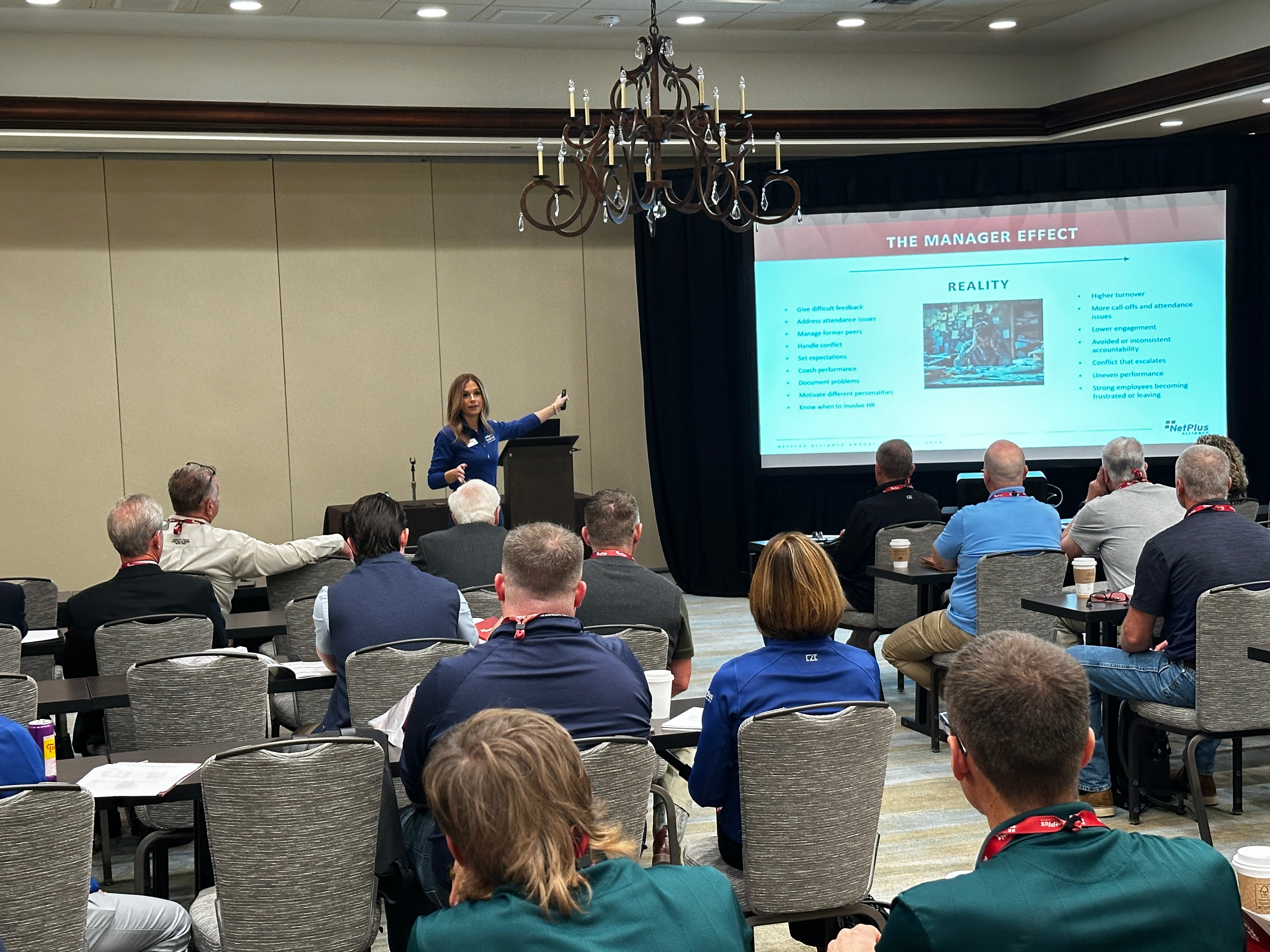
Every organization invests significant time and resources in finding the right employee. Yet one of the most important factors influencing whether that employee succeeds, or chooses to stay, is often overlooked: what happens after they accept the job.
Onboarding is much more than completing paperwork, issuing equipment, or reviewing company policies. It is the foundation for employee experience and often shapes how a new hire feels about your organization long before they become fully productive.
Starting a new position is exciting, but it can also be overwhelming. New employees are learning unfamiliar systems, meeting new coworkers, understanding workplace expectations, and trying to determine where they fit within their new company. At the same time, they want to make a good impression and begin contributing as quickly as possible. Even the most experienced professionals can experience uncertainty during those first few weeks.
A thoughtful onboarding process helps reduce that uncertainty. It gives employees direction, clarity, and the support they need to contribute successfully. When organizations are intentional about those first 90 days, employees are more likely to become engaged, build meaningful relationships, and develop confidence in their role.
Effective onboarding doesn’t require an elaborate program or extensive resources. It requires preparation, consistency, and genuine engagement. Before a new employee arrives, ensure their workspace, technology, and training materials are ready. Introduce them to key colleagues and help them understand not only what they do, but why their work matters. Set achievable goals, provide regular feedback, and remain available as they gain confidence in their new responsibilities.
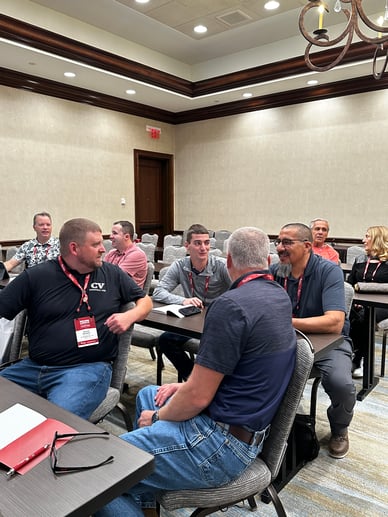 Strong onboarding also benefits the organization. Employees who understand expectations early are better equipped to make sound decisions, ask informed questions, and become productive more quickly. Managers spend less time correcting misunderstandings and more time coaching performance and development. Teams experience smoother integration, and organizations are better positioned to retain the talent they’ve worked hard to recruit.
The first day is important, but onboarding should never end there. The most effective organizations view onboarding as an ongoing process rather than a single event. Establishing clear milestones at 30, 60, and 90 days provides employees with a roadmap for success while giving managers natural opportunities to check in, answer questions, recognize progress, and adjust expectations when needed.
Perhaps most importantly, create an environment where questions are encouraged. New employees should feel comfortable asking for clarification without worrying they’ll appear unprepared. Managers who remain approachable and invested throughout the onboarding process build trust that often extends well beyond those first few months.
In today’s competitive labor market, organizations cannot afford to lose good employees because they felt unsupported during their transition. A positive onboarding process communicates that people matter, expectations are clear, and success is a shared responsibility. It establishes the culture employees experience every day thereafter.
At our third quarter HR Forum, Building a Strong First 90 Days: Onboarding That Actually Sticks, we discussed practical strategies for designing a consistent onboarding process that drives engagement, accelerates productivity, and supports long-term retention, particularly in operational and hands-on environments. If you weren’t able to join us for the group discussion on August 19, reach out to me and I can provide you with the tools you need to build your own onboarding plan that will leave new employees feeling welcomed, confident, and prepared for long-term success.